Why Imported Sodas Taste Different
Sweeteners, local rules, regional flavours and the bottle: what changes when a soda crosses a border.
Shop drinks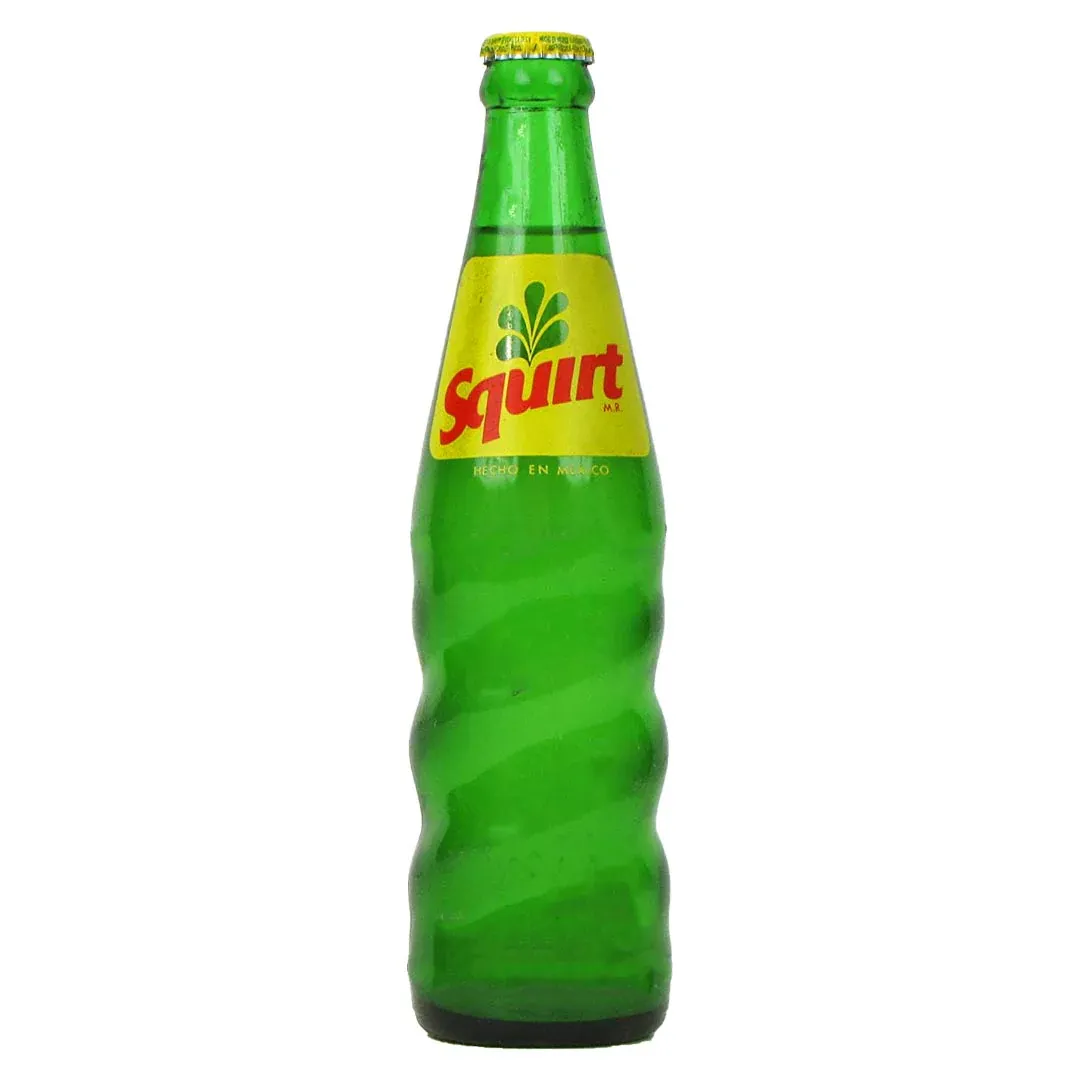
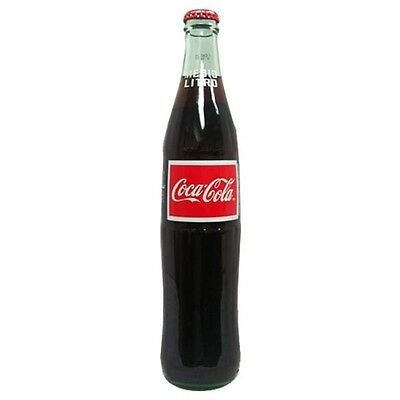
Pick up a Coca-Cola bottled in Mexico and one bottled here and the labels look almost the same. The ingredient lists don't.
A soft drink sold under one name can be made to a different recipe in each country. Imported bottles are the easiest way to taste the difference for yourself. Here is what usually changes.
Cane sugar and glucose-fructose
The biggest difference is usually the sweetener.
- Coca-Cola made in Mexico for export lists cane sugar.
- Coca-Cola sold in Canada lists sugar/glucose-fructose. Glucose-fructose is the Canadian label name for the syrup Americans call high-fructose corn syrup.
- The grade common in soft drinks, HFCS-55, is about 55 per cent fructose and 45 per cent glucose. Table sugar is made of the same two in equal parts.
That difference in makeup is one reason people say they can taste a change. Blind taste tests have gone every way: some tasters prefer the Mexican bottle, some prefer the North American one, and some can't tell them apart.
Why North America switched
The switch was about price, not flavour. In the early 1980s, U.S. import quotas and tariffs pushed the price of sugar there well above the world price, while corn syrup stayed cheap. Coca-Cola began phasing out cane and beet sugar in its U.S. drinks in 1980 and had moved to corn syrup by the mid-1980s. Other large soft-drink makers followed.
Mexico kept cane sugar in its export Coke, and those glass bottles found a following north of the border. Coca-Cola first imported them for shops serving Mexican customers; by 2009 large U.S. chains were stocking them too. In 2025 the company said it would add a cane-sugar version to its U.S. line-up.
Local rules change recipes
Governments shape recipes too. The United Kingdom's Soft Drinks Industry Levy started in April 2018 and charges producers by how much sugar a drink contains, with the lowest band starting at 5 grams per 100 millilitres.
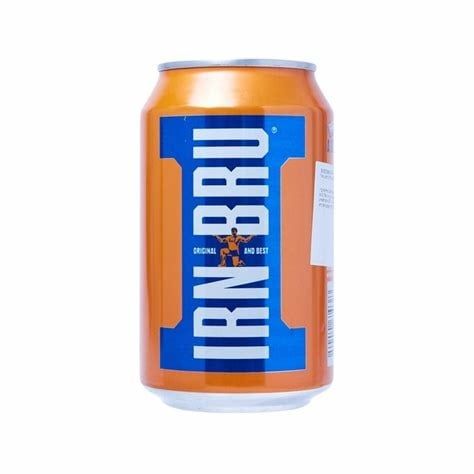
Many drinks were reformulated before it began. Irn-Bru, the Scottish soft drink first made by A.G. Barr in 1901, cut its sugar by about half in 2018 by replacing part of it with sweeteners. The company later brought the original full-sugar recipe back as Irn-Bru 1901.
So a UK can and a Canadian can of the same brand may not share a recipe. The ingredient list tells you which one you have.
Flavours made for one market
Big brands also make flavours for one country and nowhere else. Fanta, which started in Germany in 1940, is a good example: its range changes from market to market, and some flavours only ever appear in one region.
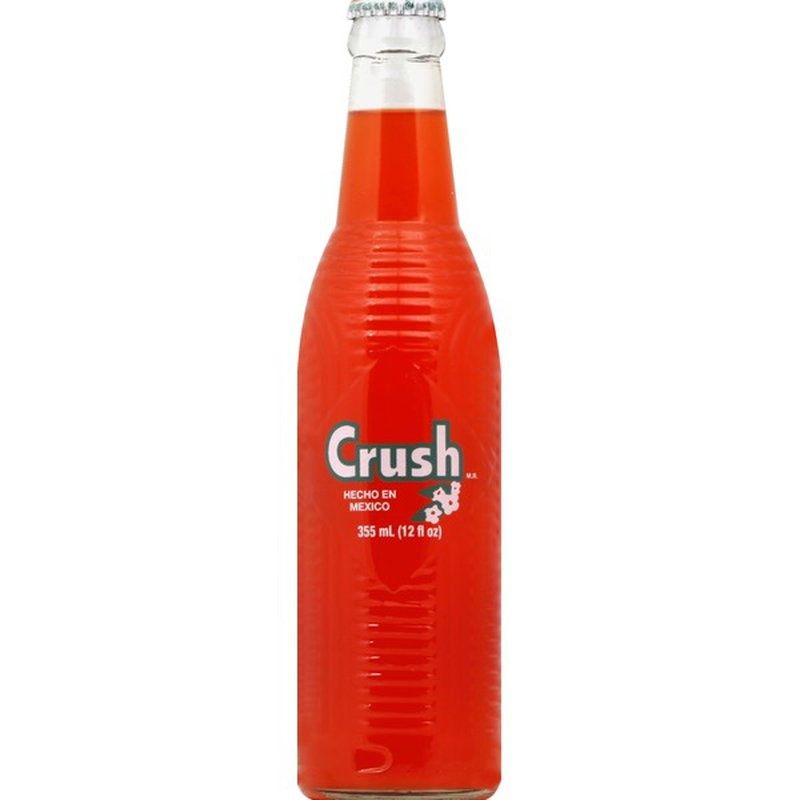
The same goes for limited runs, collaboration flavours and regional classics like grapefruit Squirt from Mexico. That is most of the fun of an import shelf: flavours you can't find at the grocery store down the street.
The bottle matters too
Packaging changes the drink more than you might think.
- Glass is sealed and non-reactive, and it holds carbonation well. Mexican Coke comes in thick 355 ml and 500 ml glass bottles with a pry-off cap.
- Aluminum cans have a thin plastic lining, so the drink never touches the metal.
- Plastic bottles let a small amount of carbon dioxide through over time, which is why a plastic bottle can go flat sooner on the shelf.
If you're comparing two versions side by side, chill them the same way so the recipe is the only difference.
Worth knowing: Imported food and drinks sold in Canada carry a bilingual label, often a sticker added by the importer. It lists the ingredients as sold here, including the sweetener, so it is the quickest way to see which recipe you're holding.
From the shelf
Imported drinks to compare
Stock rotates, so flavours come and go. Browse all drinks to see what's in right now.
General information about ingredients and packaging. Recipes change; check the label on the product you buy.