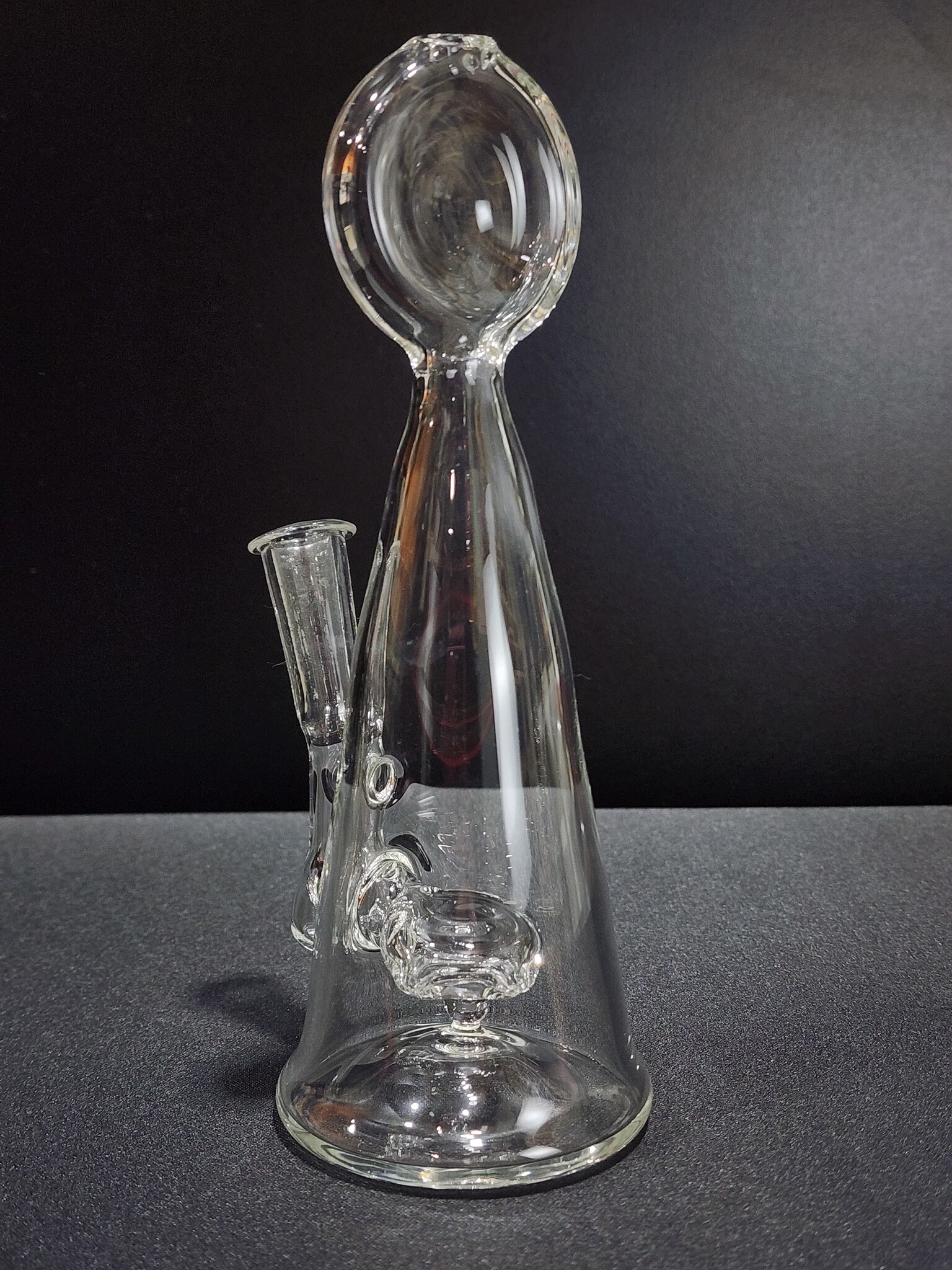
Storing Glass: Support, Separation and Fewer Moves
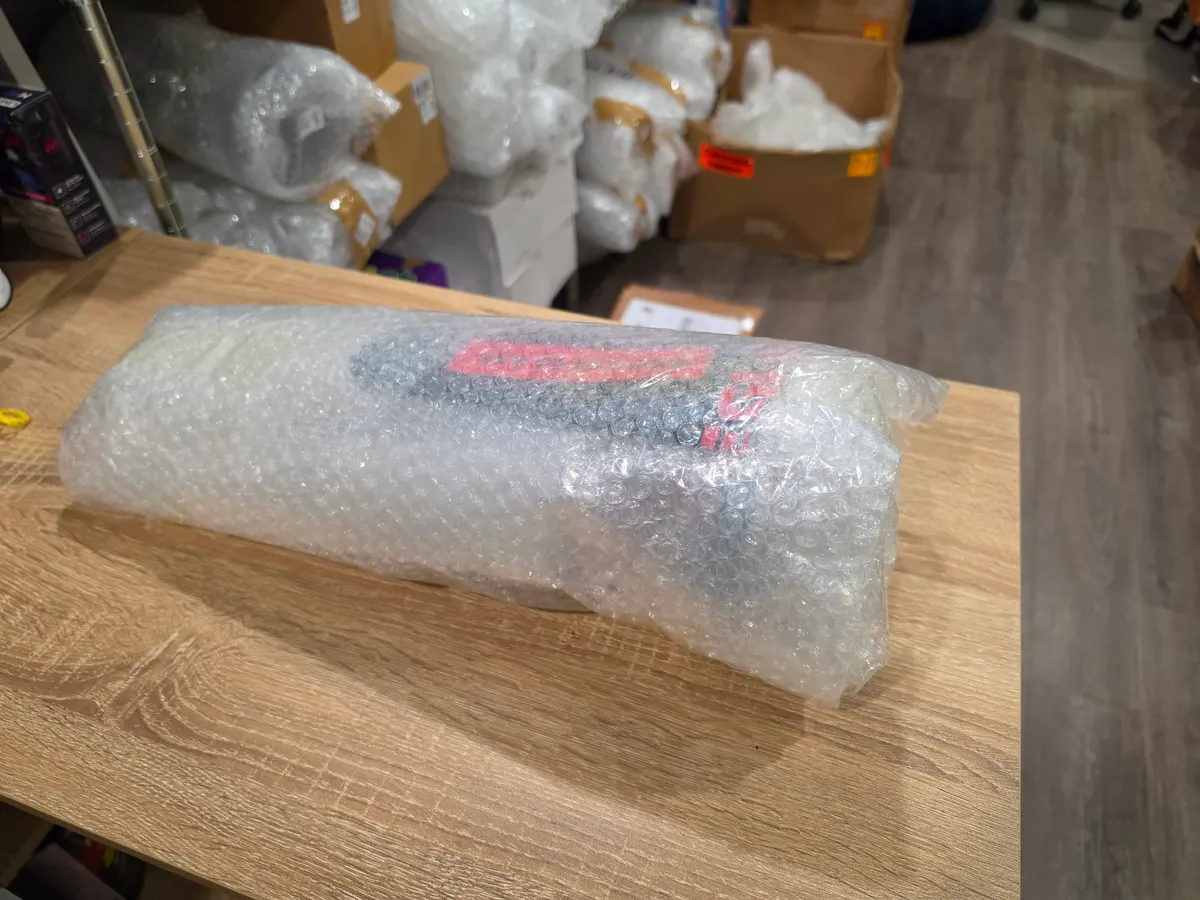
A padded parcel on the shop’s packing bench. For storage, keep a description or photo on the outside so you can identify the item before unwrapping it.
Good glass storage begins before the box or cabinet is closed. Where will the piece rest? What could touch it? Can you find it again without moving everything around it?
The Canadian Conservation Institute identifies impact and breakage as central concerns for glass. Its guidance also emphasises arranging storage to reduce unnecessary handling. Those principles translate well to a small collection: give each piece suitable support, leave it room and make its location easy to remember.
Plan the space before moving the glass
Clear the destination and the route to it first. Check that the shelf or container is suitable for the object’s weight and dimensions. Avoid an arrangement that requires a projecting section to press against a wall or neighbouring piece.
Give each object its own position. A quick sketch or a photograph of the arrangement can help you return pieces to the same places after an inspection.
Think about access as well as capacity. If reaching one piece means lifting several others, the space may be too crowded for practical storage even when everything technically fits.
Support the body and protect details
Before lifting, look for loose components, existing cracks and repaired areas. CCI advises using two hands and avoiding handles or spouts as lifting points. For an unusually shaped piece, identify the parts that can support its weight before moving it.
Do not use a narrow decorative projection as a convenient grip. Keep separate components organised so they cannot strike the main object.
Where a piece needs a fitted support, ask the maker or a qualified specialist about an appropriate arrangement. A container is only part of the answer; the object still needs to sit securely within it. CCI’s handling guidance explains the role of supports and careful movement.
Keep the storage record outside the wrapping
Label the container or compartment with a short description or photograph. Put the same reference in your digital notes. You should be able to identify the contents without opening every package.
Record any separate components on that label or in the accompanying list. When unpacking, compare the contents with the list before discarding material.
Keep receipts and maker information in a separate, backed-up file. The Canadian Conservation Institute’s broader preservation framework recommends organised storage, clear labelling and backup inventories. For a few pieces, a simple folder and a short location list may be sufficient.
Review the arrangement occasionally
Look for changes that affect the storage plan: a container becoming crowded, a support shifting or a new obstruction near the shelf. Check the arrangement after reorganising the surrounding space.
Protect glass from rapid temperature changes and locations where it can become very warm, following CCI’s care guidance. Keep dust protection in mind, since reducing dust can also reduce the need for handling and cleaning.
This is a storage guide rather than a shipping specification. A parcel faces different hazards from a stationary shelf, and a suitable shipping pack depends on the particular object and journey. For valuable, damaged or complex glass, get advice specific to the piece before moving or packing it.
General information about glass, craft and care. The Smoke Hut sells to adults of legal age in their province.