Sour Candy, Explained: The Acids Behind the Pucker
Citric, malic, tartaric and the sugar coating that makes the first bite count.
Shop candy
Sour is one of the basic tastes, and in candy it comes from one place: acid. Candy makers can choose from several food acids, and each one tastes a little different.
Which acid they use, how much, and where they put it decides whether a candy is tangy, sharp or properly eye-watering.
The acids behind the sour
- Citric acid is the sour in lemons and limes and the most common acid in sour candy. Most of it is now made by fermenting sugars with a mould, Aspergillus niger, rather than squeezed from fruit.
- Malic acid gives unripe apples and rhubarb their tartness. Its name comes from malum, Latin for apple. It tastes more sour than citric acid, and candy makers often use it with or in place of citric in extra-sour candy.
- Tartaric acid comes from grapes and is familiar from wine. It adds a sharper, slightly bitter edge.
- Fumaric acid isn't found in fruit. It dissolves slowly, so its sourness lasts longer.
- Lactic acid is the tang in yogurt and other fermented foods, and gives a softer sourness.
Most sour candy uses a blend, so the pucker hits fast and then hangs around.
Why the sour is on the outside
That sparkly coating on a sour gummy is called sanding: sugar crystals mixed with powdered acid and tumbled onto the candy. Because it is on the surface, the sour hits first and the sweet centre follows.
Sanding takes some chemistry to get right. Citric and malic acid pull moisture out of the air, so plain acid on a gummy turns sticky and wet-looking and loses its punch on the shelf. Manufacturers get around this by coating the acid in a thin layer of fat or oil, or by partly neutralizing it, so the candy stays dry until you eat it.
Why one bag is sourer than the next
Two candies can both say "sour" on the bag and taste nothing alike. The difference usually comes down to:
- How much acid is in the coating, and whether the centre is sour too.
- Which acids are in the blend. Malic and fumaric read as stronger or longer-lasting than citric alone.
- How much sugar sits alongside the acid. More sweetness softens the bite.
- The shape. Thin belts and small pieces carry more coated surface for their size than a thick gummy does.
The ingredient list names the acids, in order of quantity, so it tells you a fair amount before you open the bag.
Sour, sweet and spicy
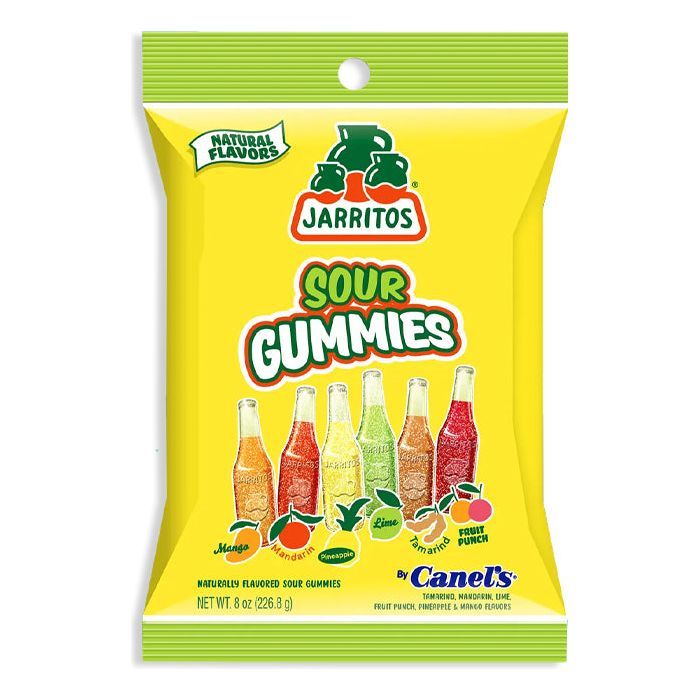
Sour candy isn't one style. Some lean fruity, with the acid there to brighten the flavour. Some are built for maximum pucker. And candy from Mexico often pairs sour with lime, tamarind or chili heat, a mix that shows up in our imported range next to the familiar North American brands.
If you're new to the extreme end, a mixed bag or a shared theatre box is an easy way to find your level.
Worth knowing: Candy sold under the same brand can use a different recipe in another country. Imported packs in Canada carry a bilingual label, so check the ingredient and allergen list on the pack you're buying.
From the shelf
Sour picks
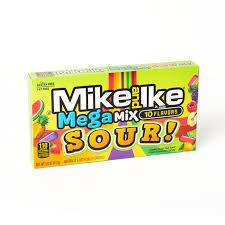
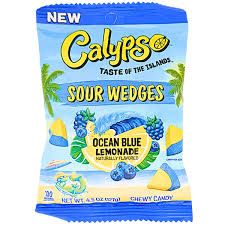
Stock rotates, so flavours come and go. Browse all candy to see what's in right now.
General information about ingredients. Recipes change; check the label on the product you buy.